Hair Fixing vs Bonding is one of the most common comparisons people make when looking for a solution to thinning hair or hair enhancement. While both methods improve appearance, they differ in cost, longevity, maintenance, and suitability. Understanding the difference between Hair Fixing vs Bonding will help you choose the right treatment based on your hair condition and lifestyle.
Whether you’re looking to manage thinning hair, add length, or correct breakage, “hair fixing” and “hair bonding” are two popular methods—but they’re very different. Understanding how each works and what it’s best for will help you make the right choice.
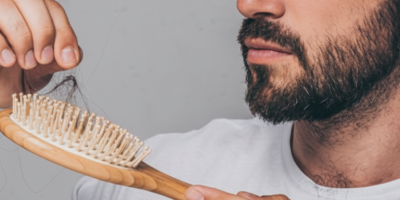
Hair fixing refers broadly to methods that secure or style hair—it can include:
Clips and pins
Hair fibers or powders
Extensions applied with clips
Temporary styling solutions
✅ Quick, temporary adjustments
✅ Styling (updos, shaping hairline)
✅ Non-permanent looks for events or daily wear
✔ No chemicals or bonding agents
✔ Easy and quick to apply
✔ Affordable and accessible
✔ No salon visit required
✘ Not a permanent solution for hair loss
✘ Can shift or fall out during the day
✘ Doesn’t add real strength or volume to hair structure
Hair bonding is a semi-permanent method that attaches additional hair (synthetic or real) to your natural
Adhesive glue
Keratin bonds
Wefts
Extensions
Adding volume or length
Covering thinning areas
✅ Longer-term enhancements
✅ Adding volume or length
✅ People with thinning hair wanting fuller looks
✔ Lasts several weeks to months
✔ Blends seamlessly with natural hair
✔ Gives a fuller, more polished look
✔ Great for long hairstyles and dramatic change
✘ Requires professional application
✘ More expensive
✘ Needs maintenance appointments
✘ Improper application can damage hair
When comparing Hair Fixing vs Bonding, the main differences lie in durability, attachment method, and maintenance requirements.
| Feature | Hair Fixing | Hair Bonding |
|---|---|---|
| Longevity | Temporary (hours/days) | Semi-permanent (weeks/months) |
| Application | DIY or stylist | Usually salon professional |
| Cost | Lower | Higher |
| Hair Damage Risk | Minimal | Potential (if misapplied) |
| Best For | Styling and quick fixes | Volume and long-term enhancement |
You want a quick style for an event
You don’t want chemicals or long-term attachments
You’re experimenting with looks
You want length or volume
You want results that last weeks
You’re okay with salon visits and maintenance
Use gentle grips to avoid breakage
Avoid heavy products that weigh hair down
Brush gently to avoid pulling bonds
Avoid oil-based products near the bond area
Follow stylist’s maintenance schedule
Both hair fixing and bonding have their place—one is perfect for quick, temporary styling, and the other offers longer-lasting enhancement. Your choice depends on how long you want the look to last, your budget, and how much maintenance you’re ready for.
American Hair Club — trusted non-surgical hair restoration in Hyderabad.
Copyright @americanhairclubs All Rights are Reserved & Designed By Sieve Softech.
WhatsApp us